
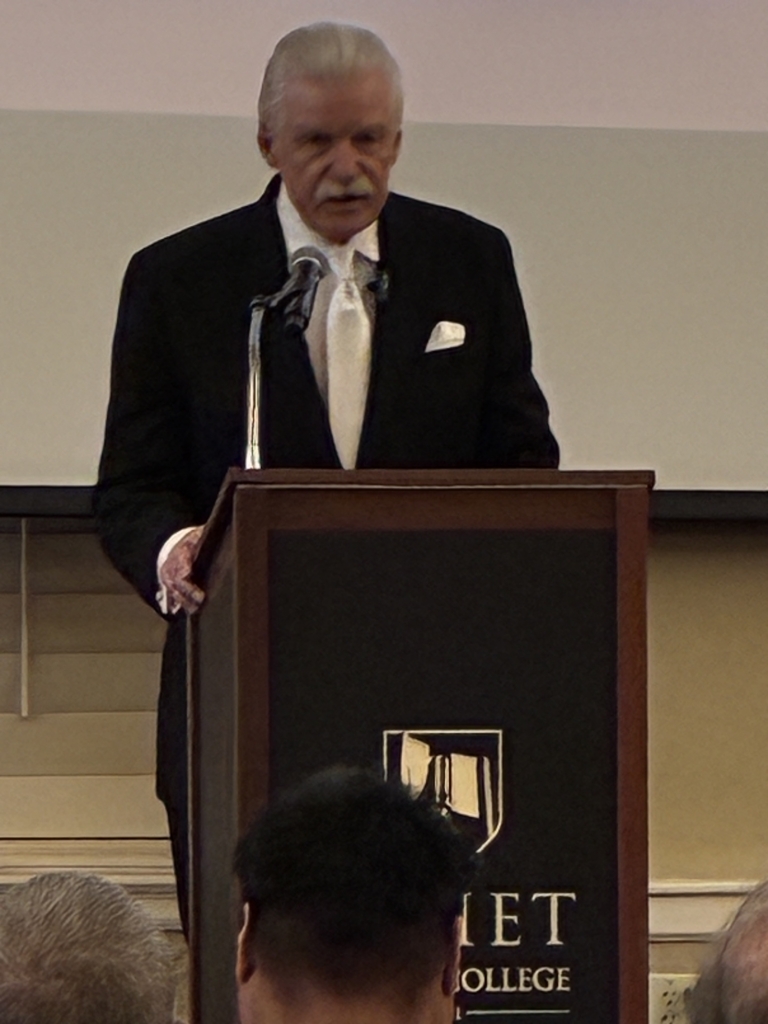
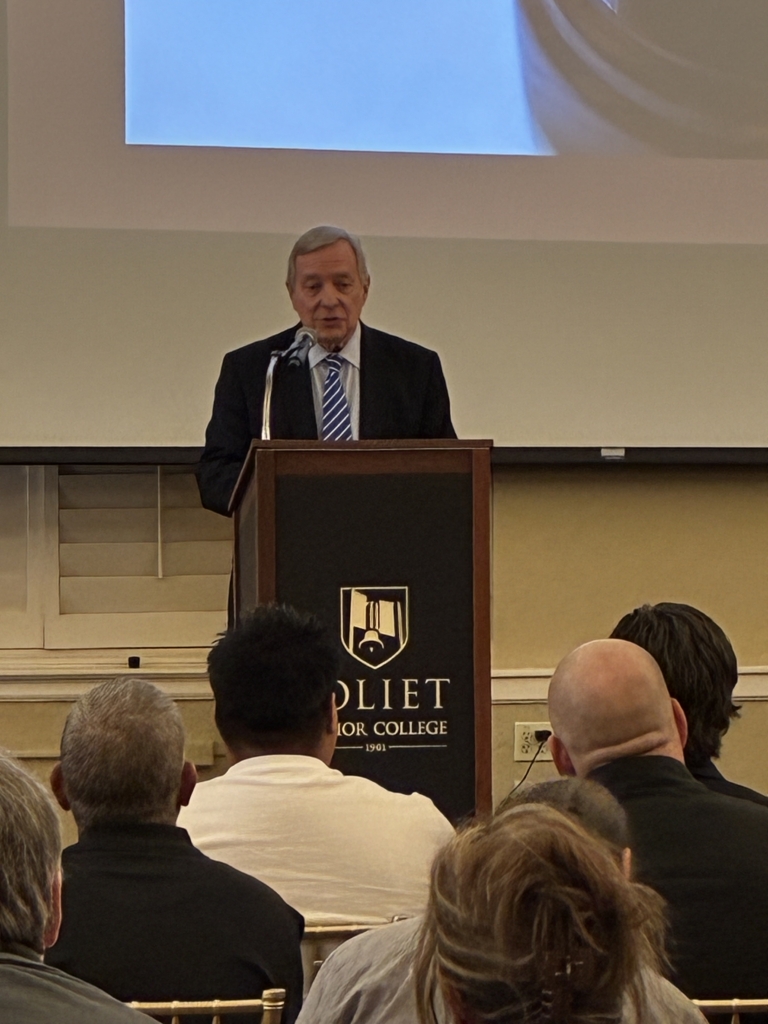
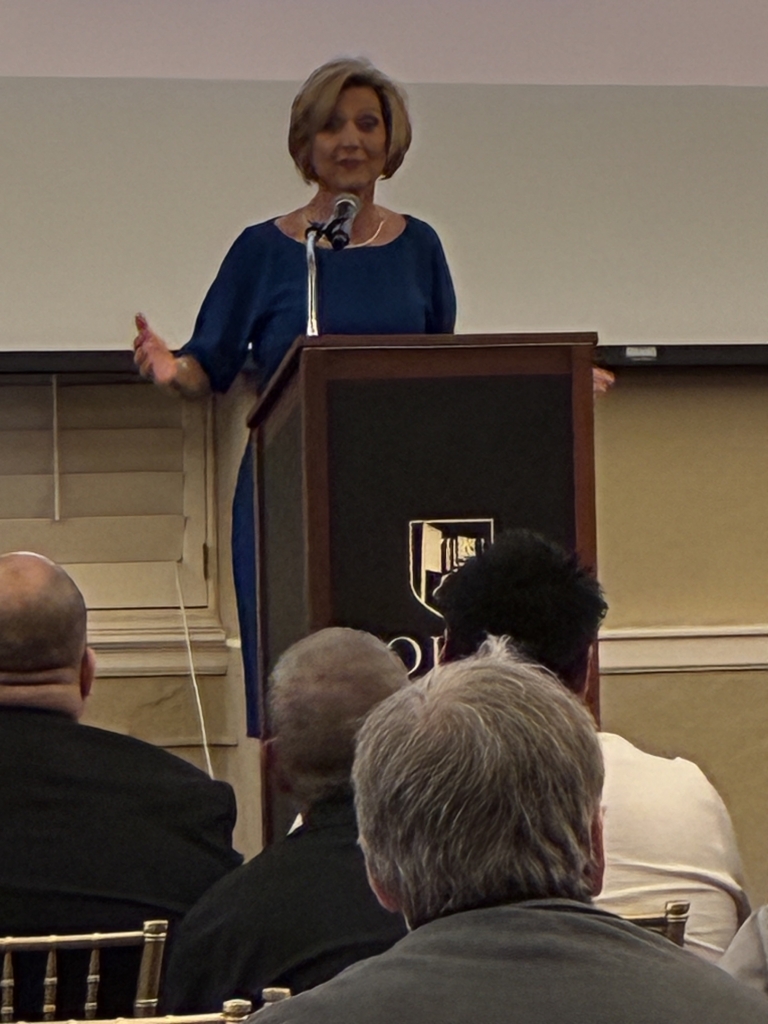
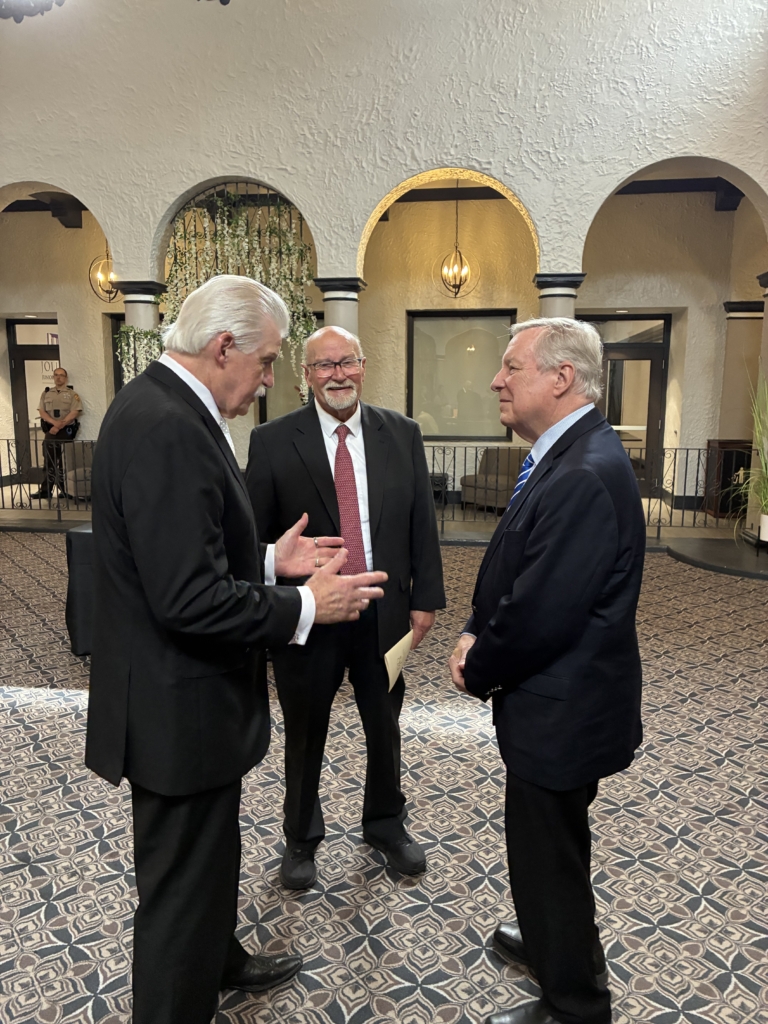
U.S. Senator Dick Durbin and Illinois Supreme Court Justice Mary Kay O’Brien join ceremony recognizing graduates
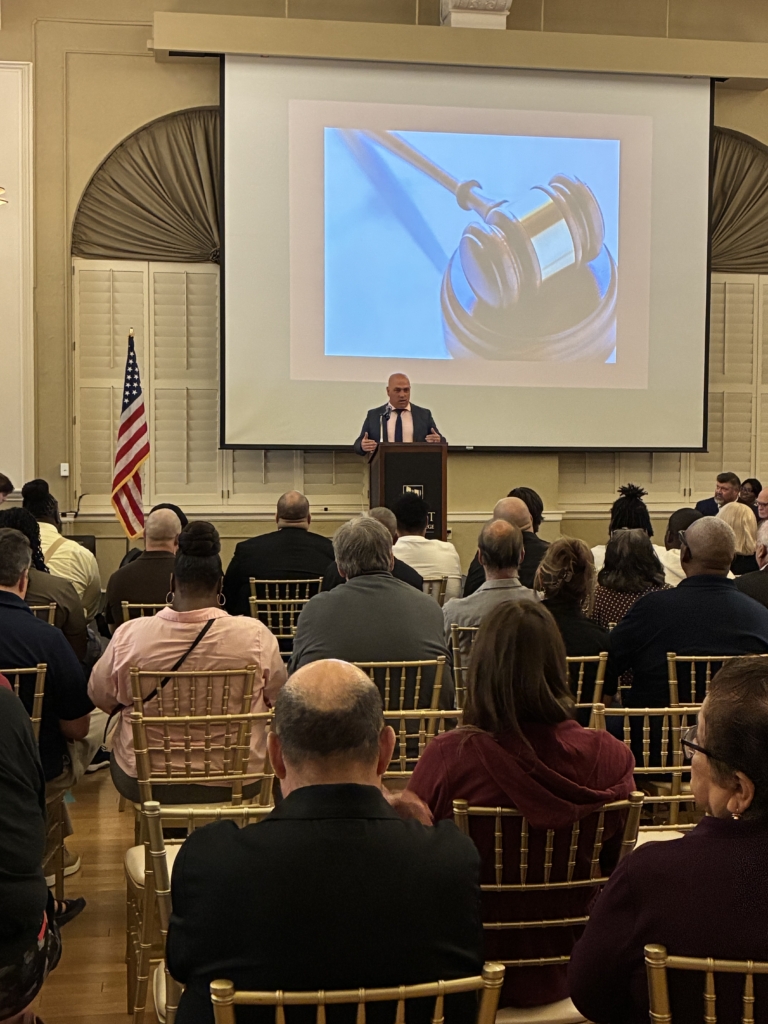
JOLIET—The Will County Problem Solving Courts celebrated the accomplishments of its newest graduates on Wednesday, September 10, 2026 during a graduation ceremony featuring remarks from U.S. Senator Dick Durbin and Illinois Supreme Court Justice Mary Kay O’Brien.
The ceremony recognized graduates of Will County’s Drug Court, Mental Health Court and Veterans Court programs that combine intensive judicial supervision with treatment, accountability and community-based support to address the underlying challenges that can contribute to involvement in the criminal justice system.
Will County State’s Attorney James W. Glasgow, who began the effort to establish Will County’s first Drug Court in 1998, said graduation represents an important milestone—but not the end of the community’s commitment to each participant.
“Today is not the end of your journey—it is the beginning of the next chapter,” Glasgow said. “You have done the hard work to get here, and we want you to succeed long after you leave this courtroom. Our commitment to you does not end with graduation. We will continue to connect you with resources, support and people who believe in you, because lasting recovery is not measured by a graduation date—it is measured by the life you build from this day forward.”
Durbin and O’Brien joined local judges, prosecutors, public defenders, probation officers, treatment professionals, case managers and families in recognizing the graduates and the work required to complete the rigorous programs.
Will County’s Problem Solving Courts date to 1998, when Glasgow secured a federal planning grant to explore creation of a local drug court. The county’s first Drug Court program subsequently launched with state and federal grant funding. What began with just 12 participants has grown into a comprehensive Problem Solving Courts system serving hundreds of individuals and encompassing Drug Court, Mental Health Court and Veterans Court.
The programs have demonstrated significant results. Will County estimates the Problem Solving Courts save taxpayers approximately $3,000 per participant annually, while graduates have substantially lower recidivism rates than comparable individuals released from the Illinois Department of Corrections.
The September graduation also marked another chapter in a program that has now helped more than 1,000 graduates pursue recovery, stability and productive lives in the community.